From Tradition to Modernity: Reinterpreting Indian Menswear for the Contemporary Man
Menswear is no longer a static space. It’s a conversation - between what was, what is, and what could be. Today’s man walks a tightrope between rooted tradition and modern rhythm, blending old-world charm with fresh, unfussy design. He doesn’t just wear clothes; he chooses pieces that reflect his past, his present, and the promise of what he’s becoming. And in that journey, menswear is evolving - quietly, thoughtfully, and stylishly.
Traditional menswear is steeped in detail. From structured collars to classic tailoring, it carries with it a sense of ceremony and discipline. But times have changed. The way men move, work, travel, and unwind has reshaped what they expect from their wardrobe. Stiff, ornate silhouettes are giving way to breathable fabrics, versatile cuts, and pieces that feel as good as they look.
That doesn’t mean abandoning tradition - it means reinterpreting it. A crisp, buttoned shirt still holds power, but now it comes with a lighter hand. Softer shoulders, tailored but not tight fits, and fabrics that follow your rhythm, not restrict it. The embroidery of the past becomes a subtle texture today. The formality of yesteryear finds ease in cleaner lines and reimagined detailing. It’s not about taking tradition apart; it’s about giving it space to breathe.
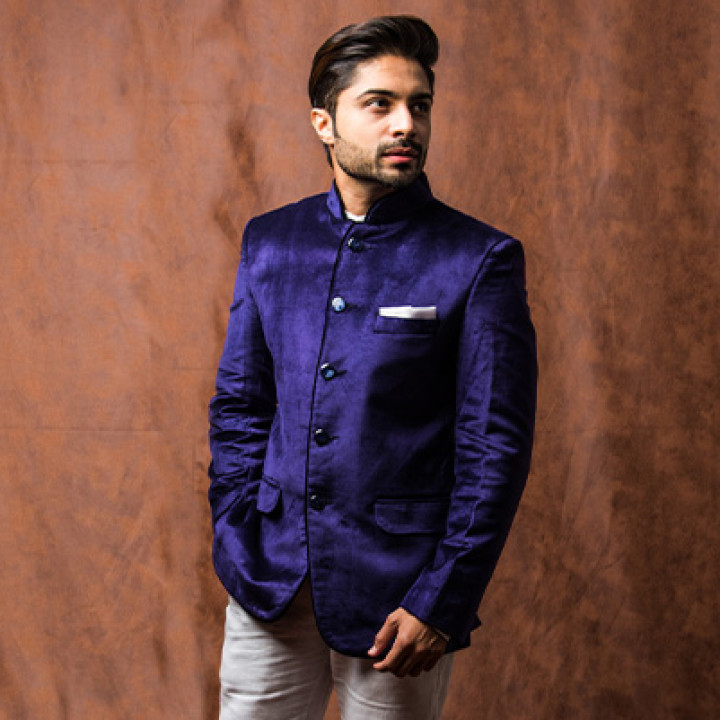
The contemporary man values clarity over clutter. He’s drawn to clothes that work across settings: sharp enough for a dinner out, relaxed enough for a day at the desk. That’s where modern menswear shines - by creating silhouettes that don't scream for attention but always get noticed. It’s found in the well-fitted kurta-style shirt that pairs with trousers or denims with equal ease. In the mandarin collar that feels elegant, but unfussy. In the quiet confidence of neutrals, earth tones, and monochromes that do more with less.
Prints and patterns still have a place, but they whisper now. Motifs that once sprawled across fabrics now appear as muted accents or inner linings. Texture takes precedence - woven depth, tonal contrast, and play between matte and shine. The new menswear narrative is about layering not just clothes, but intention. Every piece is considered. Nothing is loud. Everything is lived in.
The fabric story, too, has changed. While past generations prized heavy weaves and grand finishes, today’s wardrobe leans into breathability, movement, and durability. Cotton remains a staple - not just for its comfort, but for its quiet versatility. Linen, with its imperfect creases, now reads as relaxed elegance rather than casual crumple. Even blends have come into play, offering structure without stiffness. Modern menswear chooses fabric the way it chooses design: thoughtfully and with purpose.
But perhaps the biggest shift is emotional. The modern man isn’t dressing to impress a crowd - he’s dressing to feel like himself. His clothing choices reflect a balance: between heritage and identity, between comfort and expression. He chooses shirts that tuck in without fuss, pants that taper without suffocating, and collars that frame the face without formality. It’s not about being trendy - it’s about being timeless, on your own terms.
This evolution also mirrors a larger cultural movement - one that values authenticity over performance. Where once men might have leaned into grandeur and rigidity, they now embrace grace and ease. Dressing well is no longer about being overly styled, but about being unmistakably personal. It’s seen in the way a cuff folds, a sleeve rolls, or a shirt layer peeks from beneath a light jacket.
The rise of transitional pieces is a testament to this shift. Buttoned shirts that double as light outerwear, pleated pants that nod to the past but move with the present, and collarless styles that feel refined but relaxed - all have found a place in the modern man’s wardrobe. There’s flexibility here, but also a quiet discipline. Every stitch has a reason. Every pocket, panel, and fold earns its place.
As this reinterpretation continues, it leaves space for individuality to shine. No two wardrobes look exactly alike, and that’s the point. Tradition doesn’t disappear - it gets reimagined, repurposed, and reintroduced. It shows up in tone, in tailoring, in detail. Not in grandeur, but in grace.